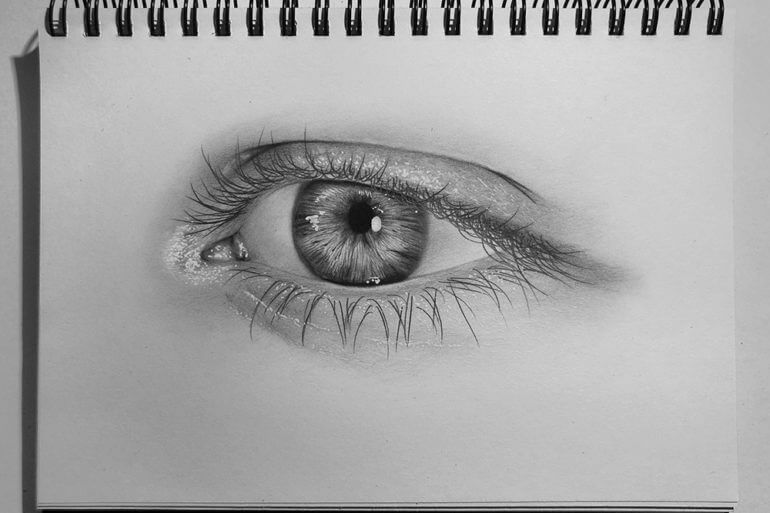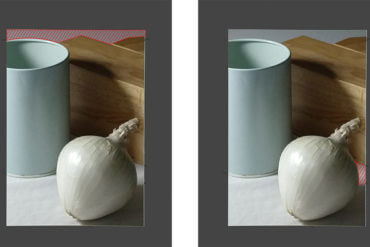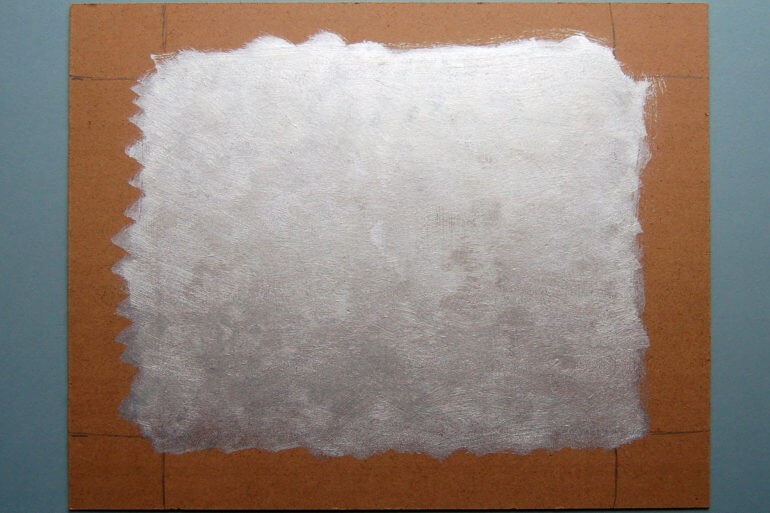
Colored pencils are wonderful tools for creating artwork of all types. . . if you’re doing a vignette-style composition, however, the last thing you want is to spend a lot of time on the background.
Today we’re going to explore a few of the background treatments that have worked well. . . read more
The kinds of surfaces suitable for colored pencil are nearly endless. If a surface will accept dry media of any kind, it will work for colored pencil, often with a minimum of preparation. . . read more
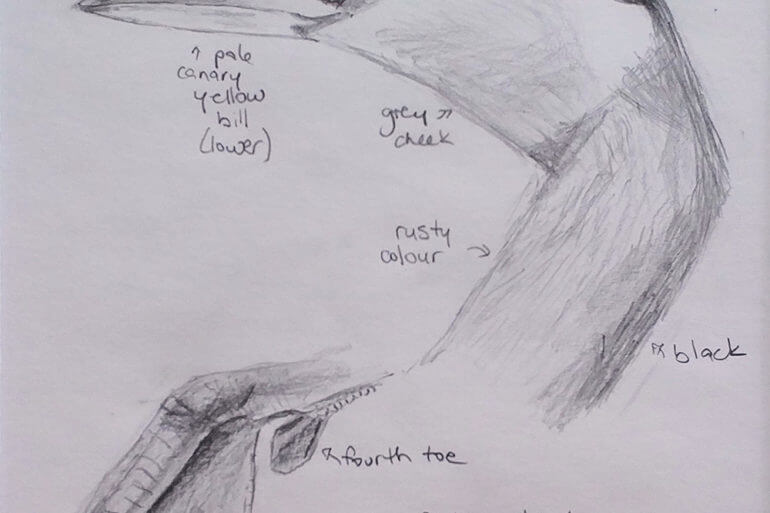
As much as I love working with colored pencil, the medium can be unforgiving. When I was first learning the craft, any serious mistake meant the end of a painting - just tear it up, throw it away, and start over. . . read more
I live in a part of the world where it is warm and sunny most of the year, so when I get the time I truck my paint gear outdoors and set up for some plein air painting. My gear needs to be portable, easy to tote, and above all, cheap (meaning that I’m not [...]. . . read more
One of the greatest challenges facing most landscape artists is getting natural greens. For colored pencil artists whose blending options are limited, getting the right green can be especially difficult.
In a previous article, I demonstrated how to create umber underpainting with colored. . . read more
I’ve been using colored pencils for fine art for many years, and one of the most difficult things I’ve ever tried to draw/paint with colored pencils are natural looking landscapes.
Over the years, I’ve tried a lot of things to make painting a landscape easier, and have narrowed my. . . read more
Majestic, intricate, dominating, mysterious, complicated. . . These are the words that I look for when I’m at the foot of a building. Each one is a feast of hidden proportions that I need to solve, like a code passed from architect to architect.
To add to that, I want to view my subjects as. . . read more
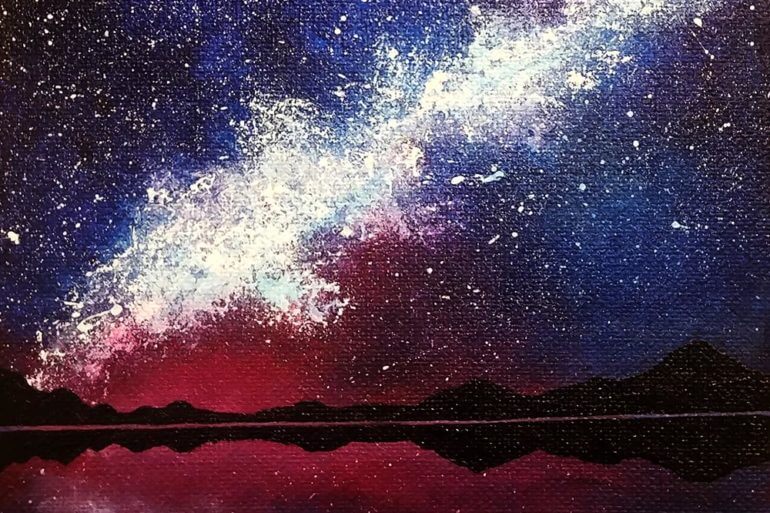
After my first article was published on EE a few weeks ago, a number of artists wrote me with more questions about the process of creating large watercolors on a prepared canvas surface.
For instance, a couple of people asked questions about preparing the canvas; while a few others asked how. . . read more
There can be a lot of mystery when you go to purchase paints, especially if it’s your first time buying a particular medium.
Just to start with, when you look at the wall of paint at your local art supply store you’ll see many different brands. Then within each brand you’ll. . . read more
In today’s video, master watercolor painter Cheng-Khee Chee will be demonstrating his own methodology for intuitive, deductive painting. Take a look at the video below—if this is the first time you’ve seen him paint, you might be surprised at how free and simple his painting. . . read more
In today's video, Gloria Page takes us through the (fairly simple) process of carving out your own art stamps. Here, she demonstrates how to make photo corner stamps. Take a look. . . read more
Sometimes it only takes a small adjustment or two to improve your paintings. I’m sure I’m not the only artist who has looked back on their work from years ago and thought, “If only I had done this or that differently, the results would have been so much better.”
We. . . read more
If you paint on canvas—either in acrylics, oils, or watercolor—you’ve probably noticed that your unframed paintings look much better from the front than they do from the side. Anytime you catch a glimpse of those raw canvas edges, they look startlingly white against the painted. . . read more
In today’s video, George James will demonstrate a few methods for minimizing that running, blending quality of Yupo watercolor paper.
True, sometimes you want that watery effect, but other times you don’t—take a look and see how George creates flat fields of color (as well. . . read more