
1. Drawing is key.
Throughout history, the greatest artists have always been excellent draftsmen. Learn to draw better and you’ll improve your artistic ability to see the world.
Carry a sketchbook. Better yet, have two or three. One in your car, one by your bed, and a little one in your pocket or purse to doodle on.
2. Great art takes hard work.
Art is hard, and thinking that it should come easily is a big mistake. Whenever I give up on a painting or drawing, I always look back on that instance and realize that my failure was only because of my unwillingness to sacrifice more time, effort, and concentration for my art.
Expect on giving everything you’ve got to be great.
3. Use a reference image.
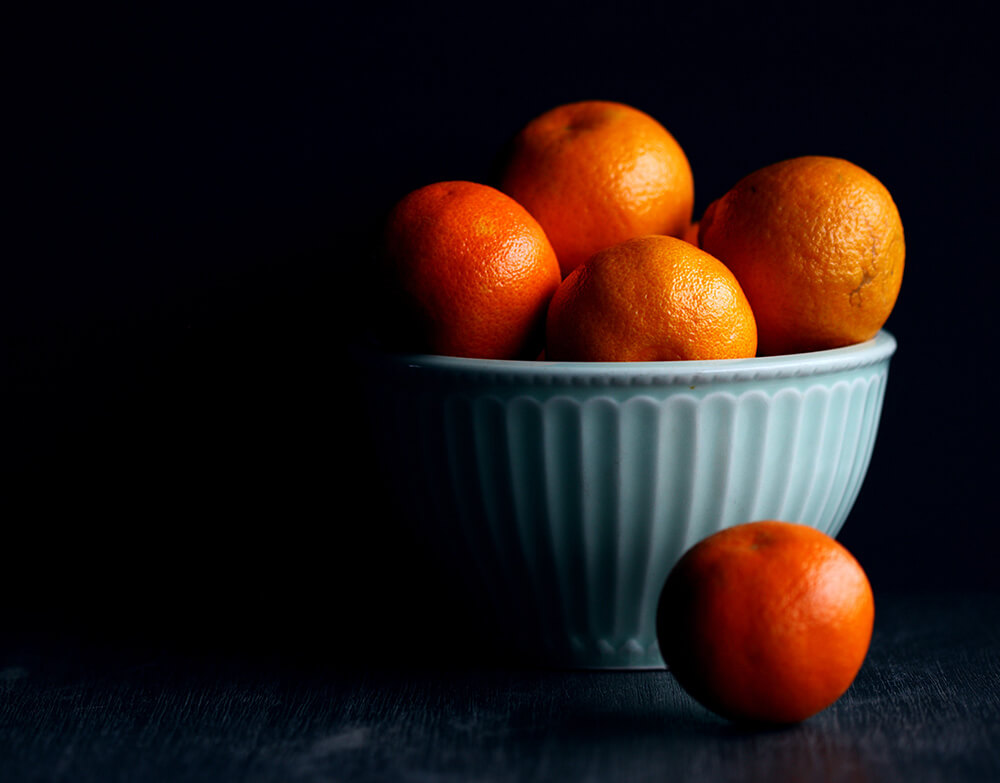
Art is hard enough anyway, so use references as often as possible (Unsplash.com is a great resource for free reference photos). Better yet, use your creativity to come up with good reference photos yourself, too!
For example, back in college I had to illustrate scattered matches in snow for a book cover. It was 80 degrees out with no chance of snow, so I crumpled up some paper towels, stuck a few matches in them and took a photo against a white wall. After a few tweaks in Photoshop, I had the picture I needed.
4. Rejection comes to everyone.
Ignore other people’s negativity, or at least take it with a grain of salt. Only those who push past rejection ever have the chance at being successful.
Choose to have confidence in yourself—as an artist, you’ll probably need it.
5. Uniqueness = success.
It’s true that copying what’s popular in art may bring short term success, while doing things your own way may take longer.
But it’s better to choose what you love and stick with it, because what’s popular won’t last, but your uniqueness will.
6. Nothing is set in stone.
Question everything, in life as well as in art. Like this list. Are there more things that artists needs to hear? Let me know.
7. Honesty connects people.
Don’t become something you’re not in order to succeed in art.
Art is not only a reflection of the artist, but also of the people who enjoy it. Be yourself, and others will be drawn to you.
8. Start projects right away.
Procrastination is the enemy of creativity. Start early, and you’ll finish often.

9. Always keep learning.
The more art knowledge you have, the more depth and dimensionality your work will gain. Take a look at your older works and you’ll see how your work has changed.
Take a foray into a subject you know nothing about, to stretch your creativity. This website is a great example of that for me, and it’s definitely increased my understanding of art today.
10. Everyone benefits by helping others.
Whenever you can, give free advice or share a great technique. All of us will gain a lot when everyone gives a little.

This post may contain affiliate links.