
Have you heard of alternation? A rarely discussed design tool, alternation can sometimes be the very method you need for moving the viewer’s eye through your painting, or making dull areas interesting.
We’re already familiar with gradation, a design element that keeps the eye moving from one color (or value) to another. You’re probably know of repetition as well, the principle that controls eye movement by repeating a single element again and again.
Alternation is a type of repetition—the only difference is that what’s repeated is a pair of contrasting elements, not a single element.
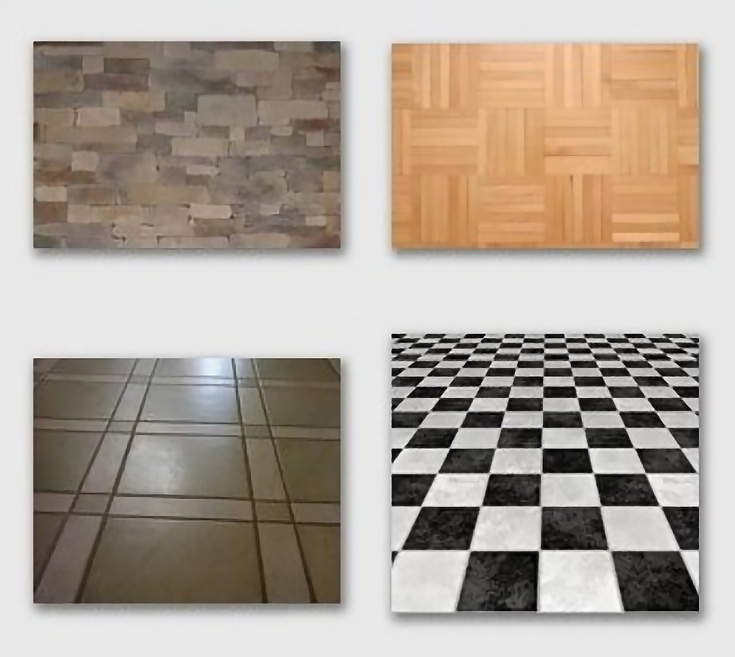
Alternation is something we see every day. We have it in our houses, on our patios. . . it’s the heart and soul of flooring and rock wall designs, as you can see.
We like alteration because nature uses it abundantly. We see it in things like tree bark, ocean waves, cloud patterns, and sand dune patterns, to name just a few.
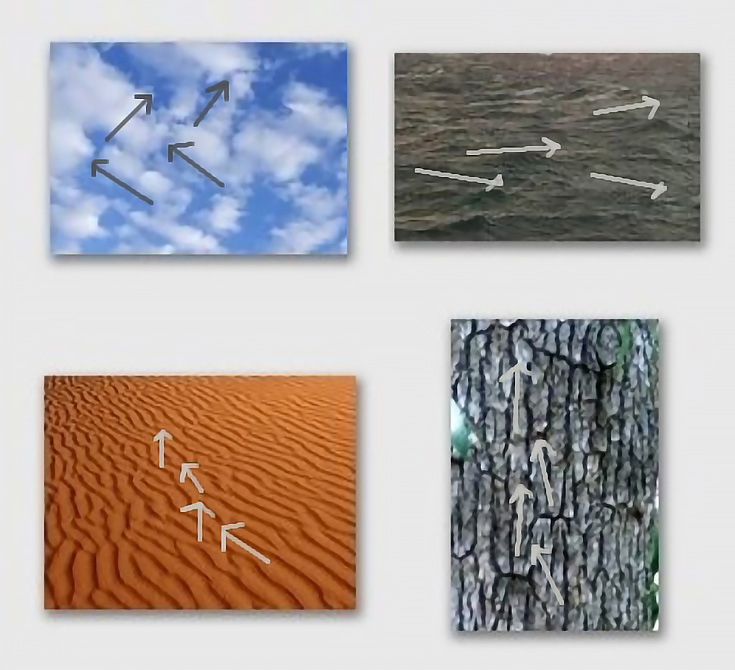
Observing nature’s alternating patterns and then translating them into a painting is a classic approach to landscape painting.
A good example is Richard Schmid’s painting from the seventies in which he has captured the alternating pattern of the movement of sea water.
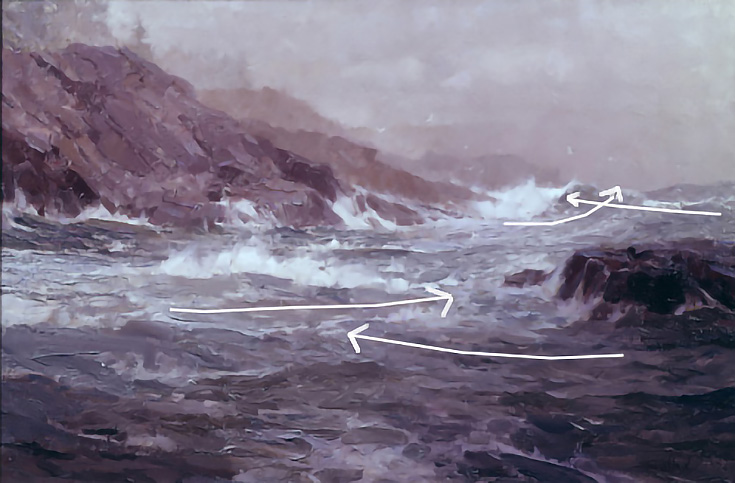
Finding and using these repeated patterns of directional opposites has enabled Schmid to paint with the same convincing motion that real moving water makes.
Marc Hanson found several alternating patterns as well, in Towne Square Nocturne.
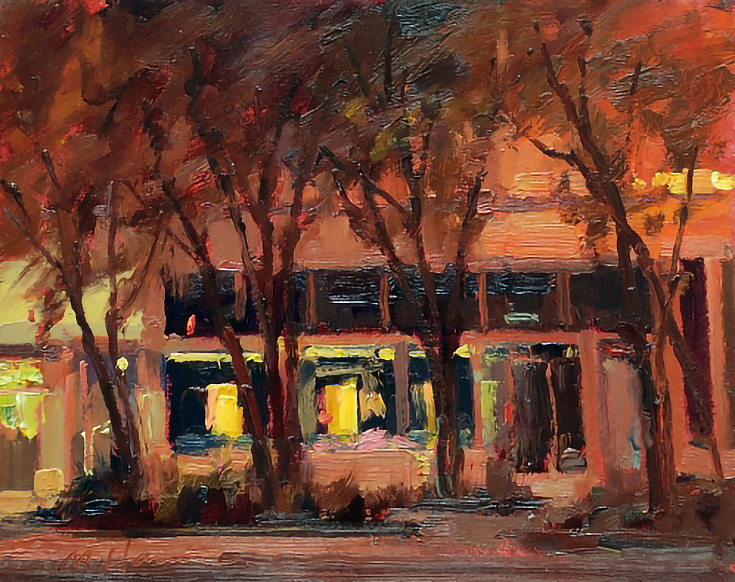
Notice how each group of trees alternates with the storefront in between, then how window’s squares alternate with surrounding rectangles in the storefront itself. Light alternates with dark, warm with cool, and large with small.
Sometimes, though, a subject will have bland or uninteresting color patterns. Applying alternation to such areas can be the difference between an intriguing painting and one that’s just average.
For instance, artists can create more interest by alternating warm and cool colors within the same color area. Colin Page often uses this technique, as seen below.
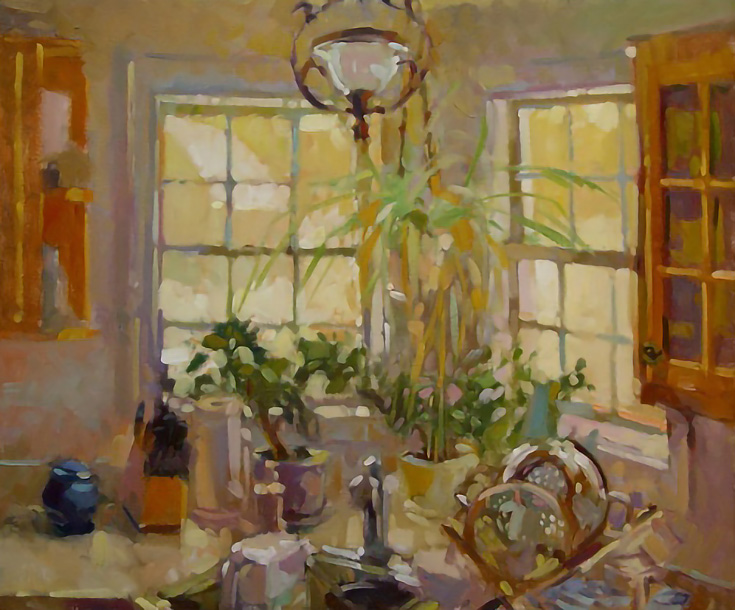
Look carefully at the walls from left to right. You’ll see a subtle movement of warm/cool/warm/cool. In fact, as your eyes scan the painting, this warm/cool pattern appears over and over again, vertically, horizontally and diagonally.
Another way to create interest in areas is by using alternating strokes. Take a close look at Kevin MacPherson’s Sycamores and you’ll see that he’s done just that.
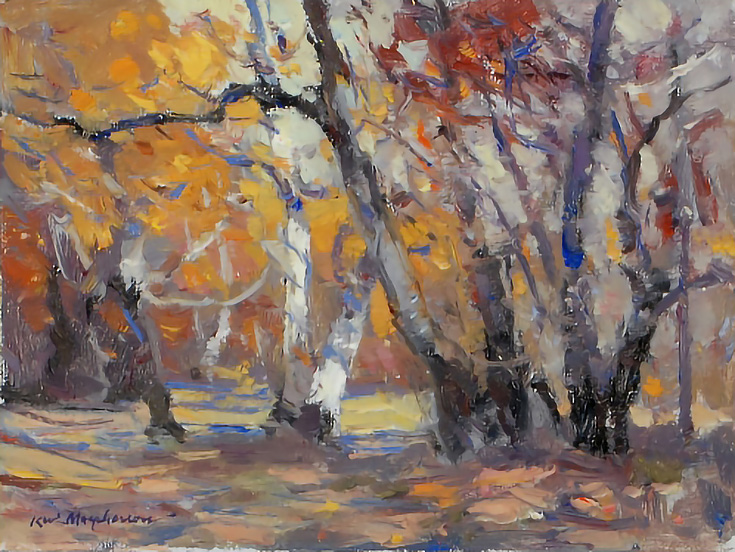
Below is a close-up of the upper left corner of the painting.
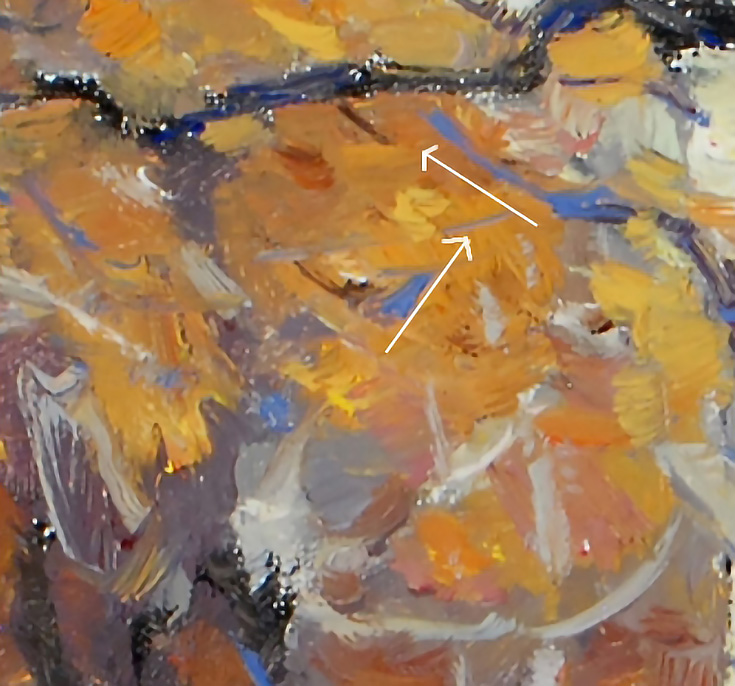
Notice how the pattern of brushstrokes alternates in opposing diagonal directions?
The few examples mentioned above show us that alternation can be an effective addition to any painting, whether you’re capturing patterns from nature, creating a pattern of alternating temperatures, or varying the direction of your brushstrokes.
Try some of these approaches in your next painting—any one of them should add richness and visual interest to your work.

This post may contain affiliate links.