How to Make a Tortillon (Blending Stick)

Published Dec. 10th 2009

I use Prismacolor Pencils a lot. The colors are vibrant, and they are beautifully transparent when I use a tortillon to blend them, allowing the colors below them to show through. After going through quite a few tortillons over the years, I decided to make my own. Here is my process.

How to make a tortillon

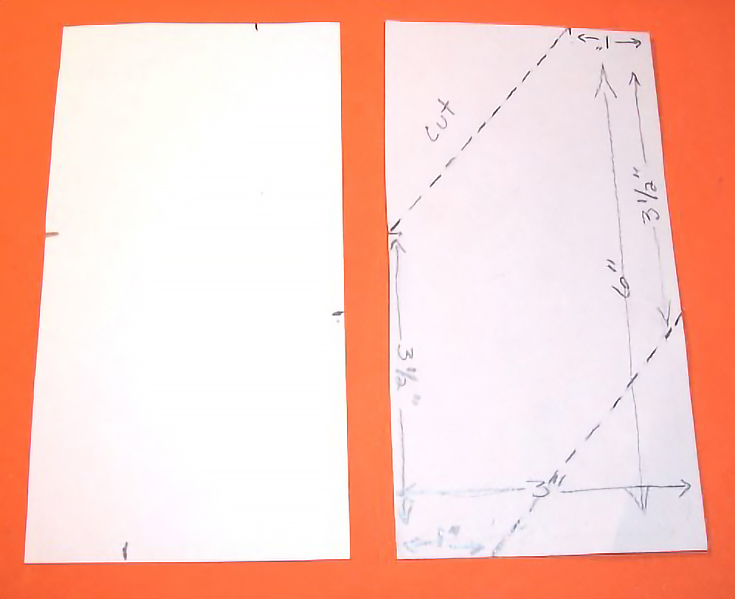
First, I always use a template. You can see it below, on the right. It shows the dimensions that your tortillon paper should be (6″ tall by 3″ wide).
tor1

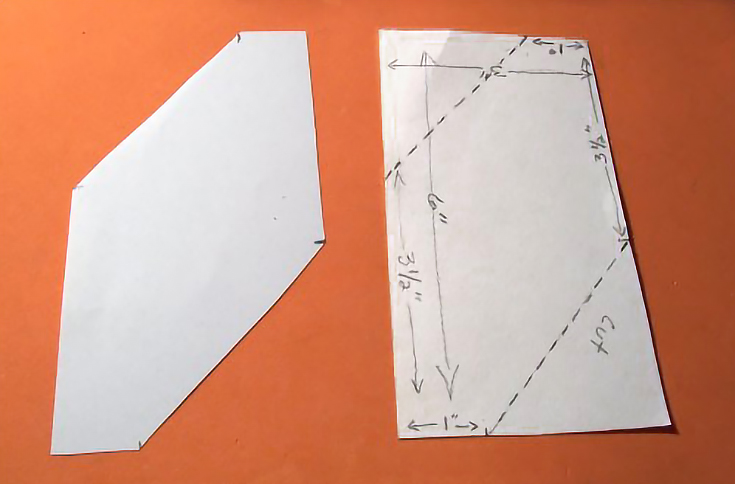
The paper on the left has been marked according to my template, and is ready to be cut. After two cuts, it’s ready to be rolled.
tor2

When you roll a tortillon, you don’t start off by curling the paper. Instead, you start with a fold. So make a small fold in the corner (as shown below).
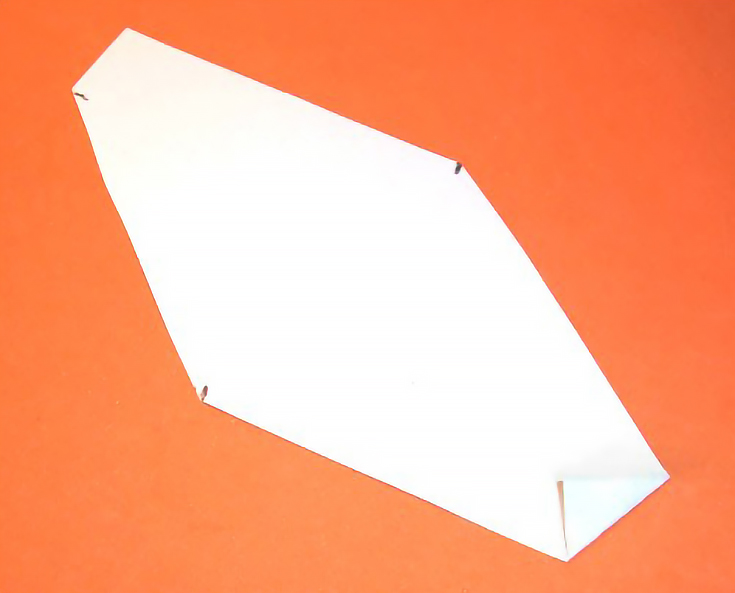
tor3

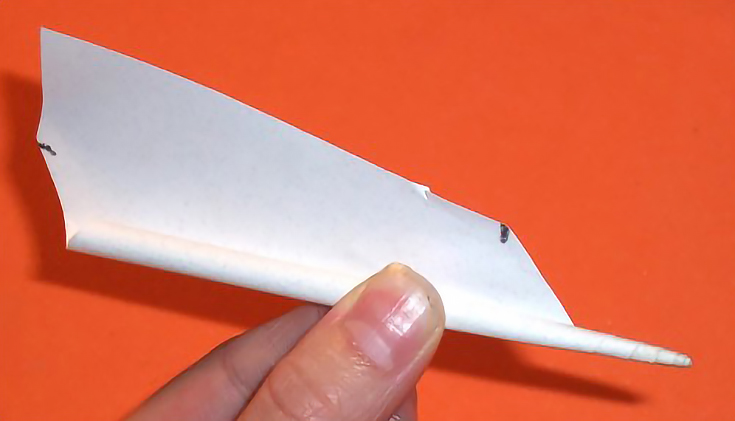
Then, fold that first fold in half two or three more times to make a dense, sharply-pointed “sliver” of paper that you can start rolling the rest of the paper around.

Once you begin rolling, keep the paper at an angle so that the point will stay small. If the angle is not extreme enough, the end will not come to a point.
tor4

When you are finished rolling the paper, secure it with tape. Then, cut another piece of paper based on your tortillon template. Take the rolled tortillon and position it at one end of a second cut piece (seen below).
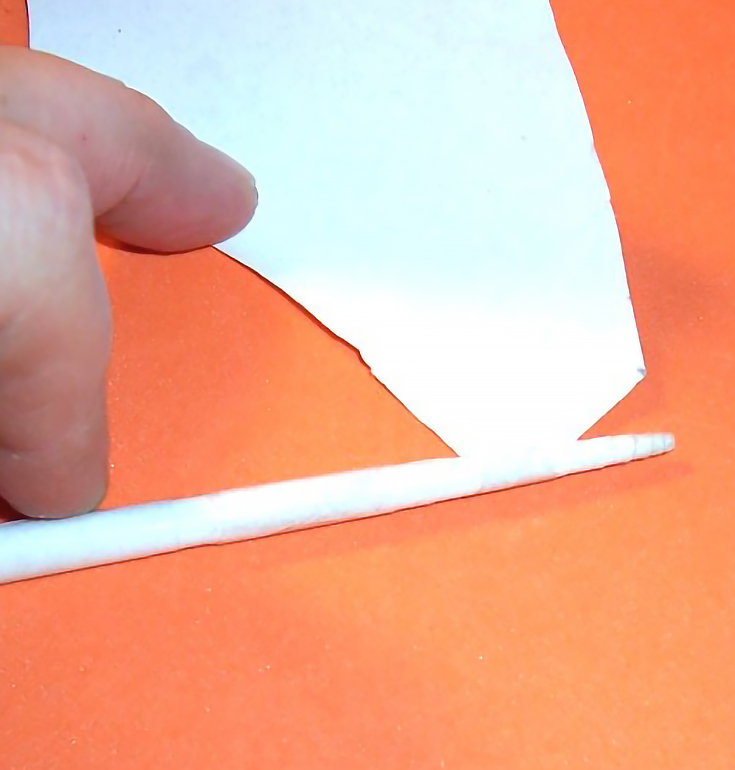
tor5

You will be rolling the first tortillon inside the second piece of paper, just to make your final tortillon a bit thicker and easier to handle. I use a tiny piece of tape to secure the corner of the second piece of paper before I start rolling it.

Once you are finished rolling the two pieces together, it should look like this:
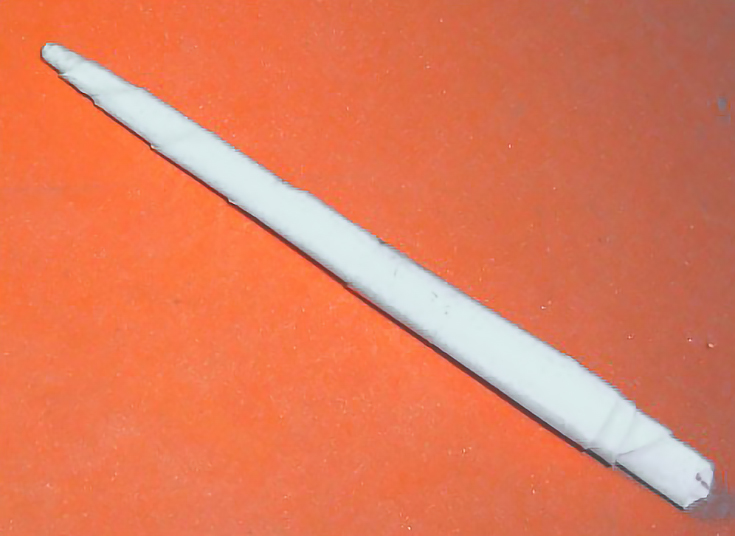
tor6

Use a final piece of tape to secure the completed tortillon. Now it’s ready to use!

NOTE: I sometimes use a piece of fine sandpaper or an eraser to keep the tip of my tortillon clean as I use it. It just depends on how much blending of colors you want.

Enjoy!

Did you like this article?
Please stumble it so others will find it or check out the related posts below.
Finally, my "big project" is finished! It’s been a crazy day with a lot going on, but foliotwist.com is finally live and online! Since I’ve kept it a complete secret up until launch, here’s a quick (mostly visual) overview of what it does. . .read more
When I first started painting there was one thing I really hated about it—scraping old paint off of my palette. (Well, besides cleaning oil paints out of my paint brushes, but I learned to deal with that.) I originally used a durable glass palette which I'd clean off with a flat razor blade. . . . read more
Today I'm going to take you through the process that I use to make my canvases. As I've mentioned in an earlier article on improving compositions, choosing the correct size and crop of your artwork is extremely important. If you're a painter, the only way to really do that is to stretch your o. . . read more
Several months ago I wrote about how to make your own stretcher bars for paintings, but only briefly talked about how to stretch canvas over them. Some people think stretching canvas is difficult, so they never try it—but today I'll take you through each step of the process so you can see how . . . read more
How much do you think about the rules of linear perspective when you draw or paint? One-point, two-point, three-point—just establishing a horizon line and setting up orthagonals can be such a chore that many artists find it too stifling to deal with. Luckily there’s a way to find the correct a. . . read more
Stay current.
Subscribe to EmptyEasel's free weekly newsletter for artists. Sign up today!
EE Writers
Lisa Orgler Alyice Edrich Luke Montgomery Doris Glovier Rose Welty

Want to be a writer for EmptyEasel? Paid positions are available, and the perks are great. :) Contact us to apply