
Have you ever been caught off-guard by a visual tangent in your art?
The word tangent usually just indicates that two things are touching, but in art the term describes shapes that touch in a way that is visually bothersome. When creating a composition, there are so many different things to juggle that it’s easy to miss even the obvious flaws—and that’s when tangents sneak in.
Most tangents can easily be avoided, however, as long as you know what to look for during the early stages of the piece. To simplify that process, here’s a chart illustrating nine of the most common tangents. (A full description of each tangent follows below.)
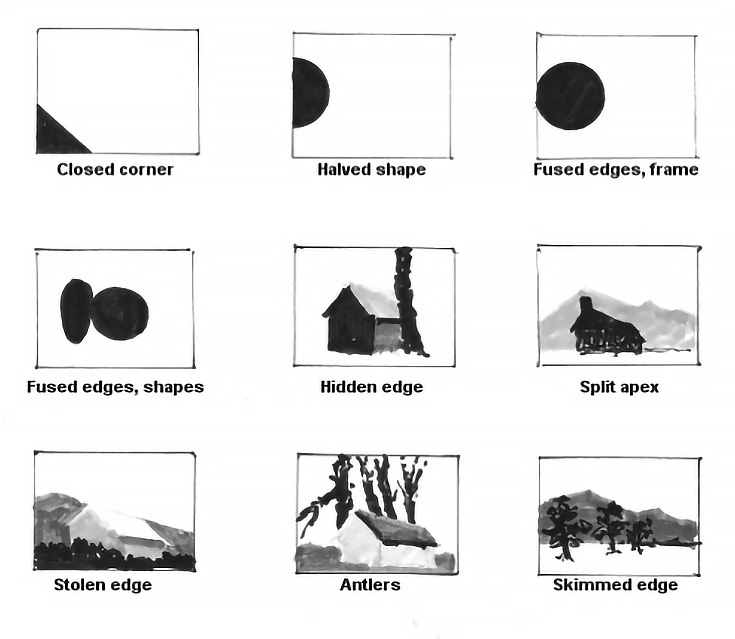
1. Closed corner
When a shape completely covers any corner of the artwork, it visually isolates that corner from the rest of the painting.
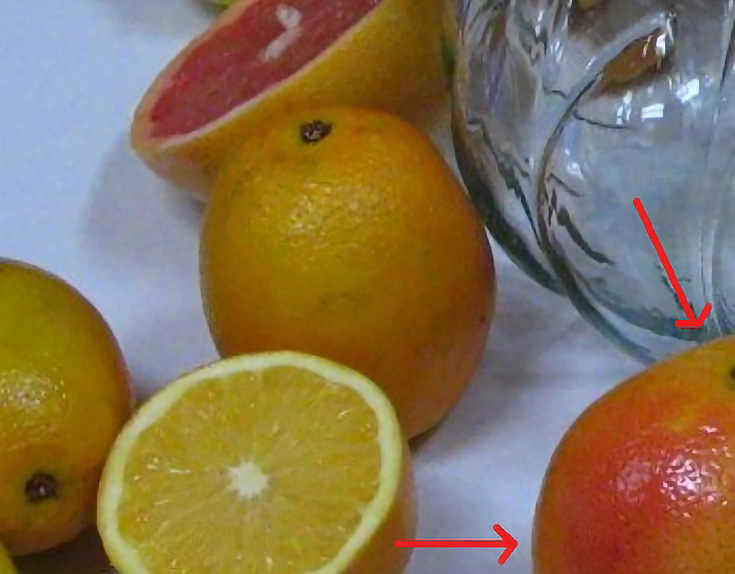
Solution: Find another way to crop the image or soften the edge of the object so that the tangent is not so distracting.
2. Halved shape
When a symmetrical shape is cut in half by the edge of the painting it creates an uncomfortable, chopped-off feeling for the viewer.
Solution: Bring the entire shape inside the picture plane or crop the image somewhere other than the halfway point. You will also want to avoid cropping directly at any joint of an animal or person, or at a corner of an object or structure.
3. Fused edges (object with frame)
When the edge of an object touches the edge of your painting it can create an awkward, crowded sensation for the viewer.
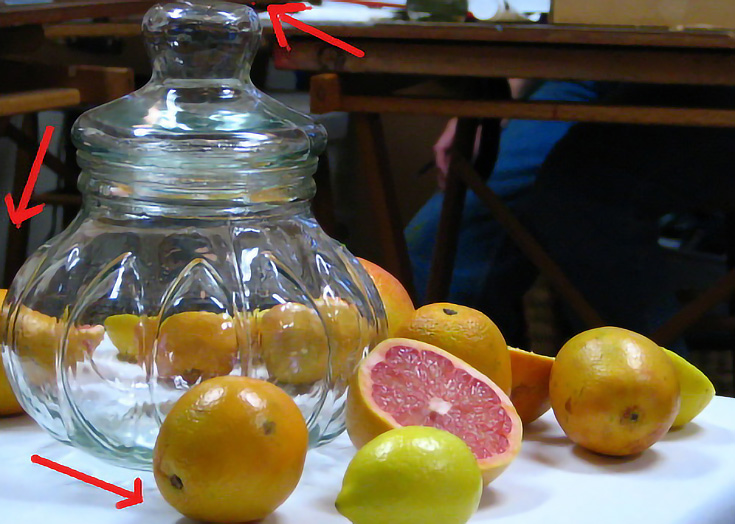
Solution: Crop slightly inside the object, leaving some of it up to the imagination of your viewers, or place it entirely inside the picture frame with room to spare.
4. Fused edges (object with object)
When the edges of two shapes touch, the same “crowded” sensation is felt.
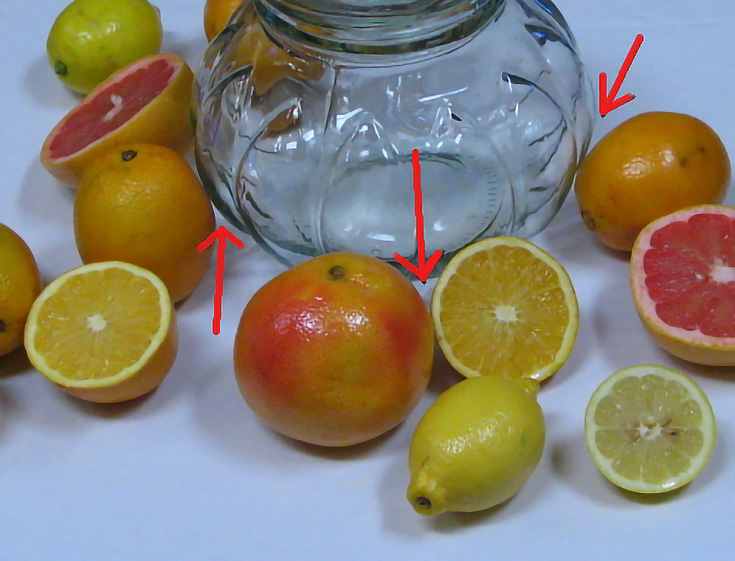
Solution: Overlap your objects or put some space between them.
5. Hidden edge
When the edge of one object is hidden behind another object oriented in the same direction, the two may appear strangely joined together.
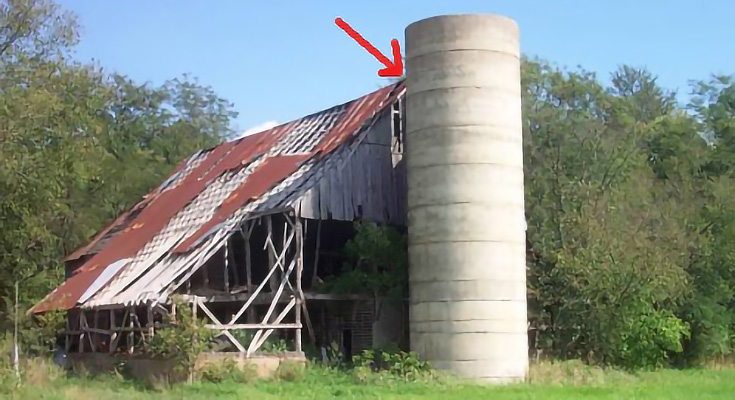
Solution: Change your angle so the hidden edge can be seen or put some space between the two shapes.
6. Split apex
When a vertical shape intersects or is directly aligned with the apex of another shape it causes a strange, unwanted symmetry.
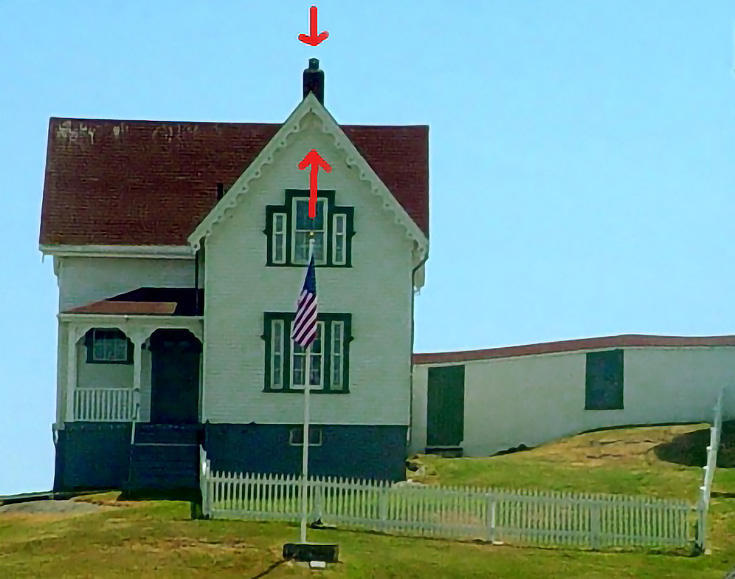
Solution: Shift one shape or the other so there is no overlap at the apex.
7. Stolen edge
When the edge of one shape aligns perfectly with the edge of a second shape, it creates an ambiguous edge for both.
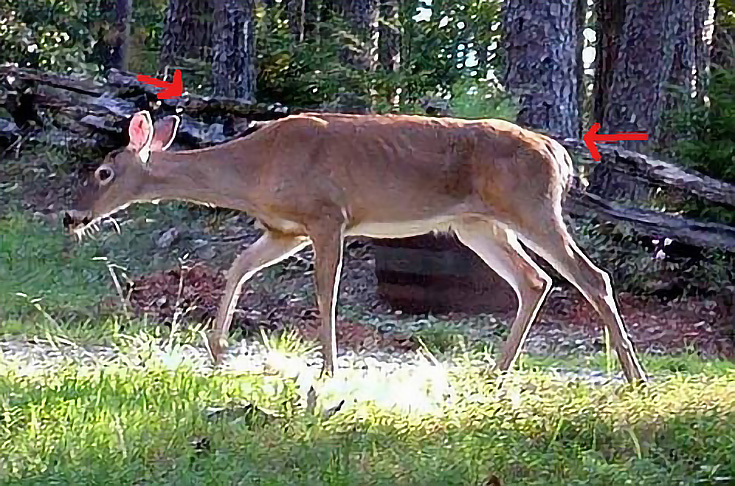
Solution: Change your vantage point to avoid overlapping edges like this.
8. Antlers
When distinct vertical shapes appear directly behind an object, they often appear to be growing out of that object like antlers.
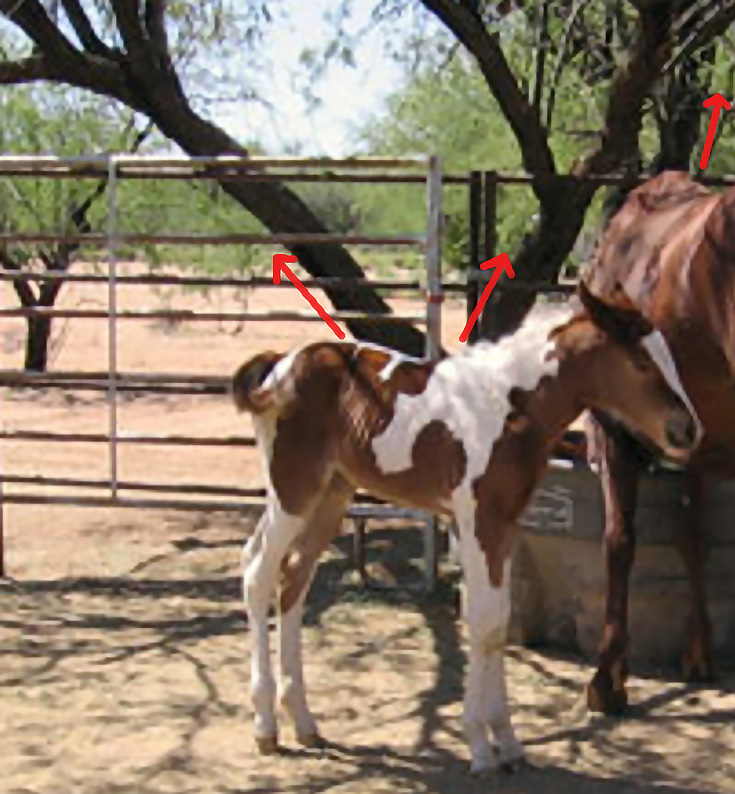
Solution: Shift the background shapes to the side, out from behind the object, or change their value or color to blend more with the background.
9. Skimmed edge
When the top a vertical object ends at the bottom edge of horizontal object, the two shapes may seem to merge.
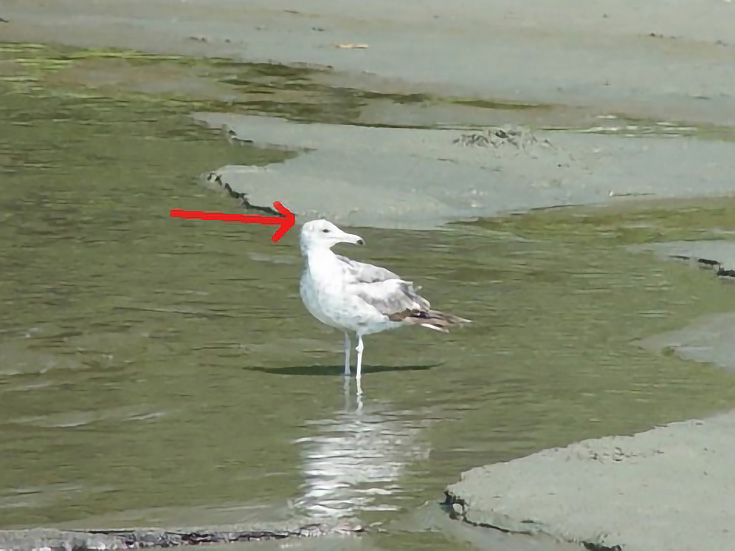
Solution: Raise the vertical object slightly so that it overlaps the horizontal, or lower it so that there’s extra space in between.
Practice looking for these nine tangents in everyday life. As you begin to develop an awareness for them they’ll be much easier to spot in your art, making it a simple task to eliminate them from your compositions early on.

This post may contain affiliate links.