
If the thickness of your oil paint is keeping you from spreading or blending them easily, you probably need some additional oil painting medium to mix in with the paint.
What is painting medium?
It’s simply the “stuff” that holds or carries the colors in your paint.
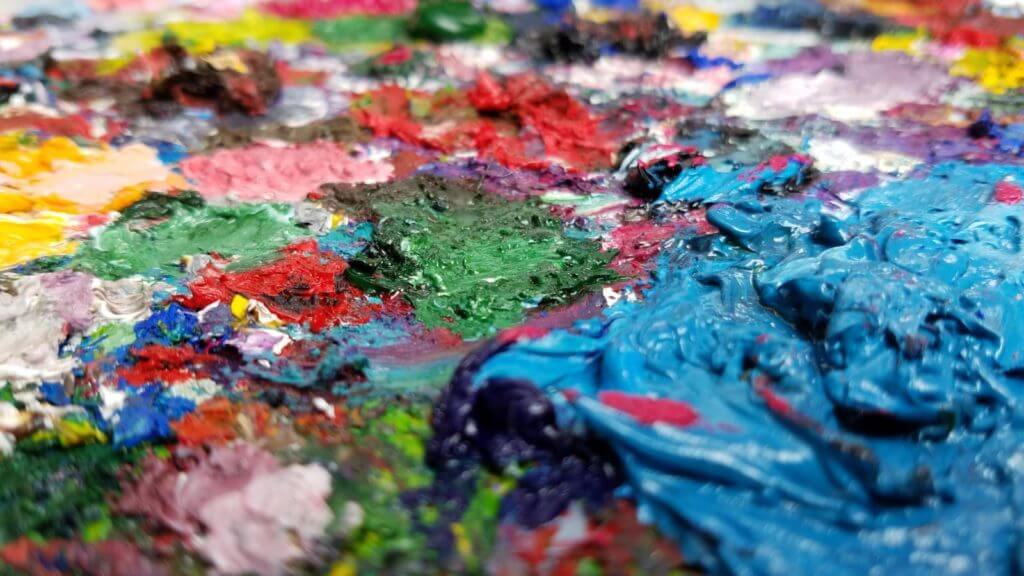
 The oil paint you squeeze straight out of the tube consists of two parts: pigment (little particles of color) and medium (clear oil).
Different brands of paint, and even various colors within the same brand, often have different consistencies of medium and pigment which keeps them from mixing easily with each other.
Using just a little bit of extra medium while you’re painting (it doesn’t take much) will even out those dissimilarities. You’ll get improved color blending on your palette and a much smoother application of the paint to your canvas.
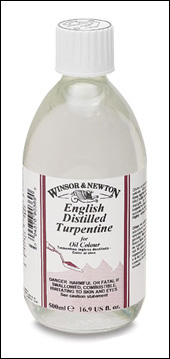
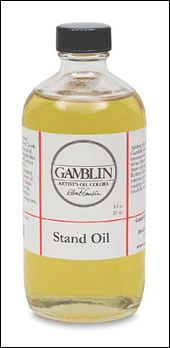
Only two ingredients are needed to make an oil painting medium: linseed stand oil and turpentine. Both can be found at any art supply store near you, or online at Blick.
How to make oil painting medium:
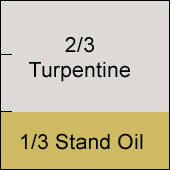
Step 1: Mix one part linseed stand oil with two parts turpentine (or odorless mineral spirits).
Glass containers with a tight screw-on cap work best.
Step 2: Cover the mixture tightly, and let it sit.
 Linseed stand oil is so thick that the two liquids won’t want to combine right away—so be prepared to wait a few days for it to completely mix.
Step 3: Turn the container on its side, or on its top, every few hours to help the stand oil and turpentine mix together faster.
How to use oil painting medium:
Once it’s all one liquid, I usually pour just a small amount into a container and dip into it with my brush whenever I’m mixing colors or working with thicker, more opaque paint. Make sure to keep the rest of the medium sealed up and it’ll last quite a while.
 There are a few other benefits to using this medium as well. It’ll make your oil paint tougher and more durable, and it will keep the skin of your painting from cracking as it dries.
As far as drawbacks go, there’s one: drying time.
Oil paintings take longer to dry when stand oil is involved, up to a week (or longer even) depending on your location’s humidity and temperature.
If waiting that long is out of the question, you can substitute sun-thickened linseed oil for the stand oil and gain a few days.
Just realize that using sun-thickened linseed oil in your medium may turn your lighter colors (like white) slightly yellow over time.
Of course, other oils work as well.
You can make painting mediums out of poppy seed oil, walnut oil, and other types of linseed oil. Most of them have faster drying times but more yellowing tendencies, which is why I prefer stand oil.
Along with a good stretched canvas and high-quality artist paintbrushes, medium is one of those things I just don’t paint without. If you’ve never used it, I strongly encourage you to get some stand oil and turpentine and give it a try.

This post may contain affiliate links.