
How many times have you wondered, “How can I turn my passion for art into a money making venture?” I used to ask myself that very same question, but it wasn’t until I began to study the habits of successful artists that I found answers that worked.
Here are 10 things I’ve learned throughout my art career—10 things I still use today to reach my own personal and professional goals.
1. Have a Signature Body of Work
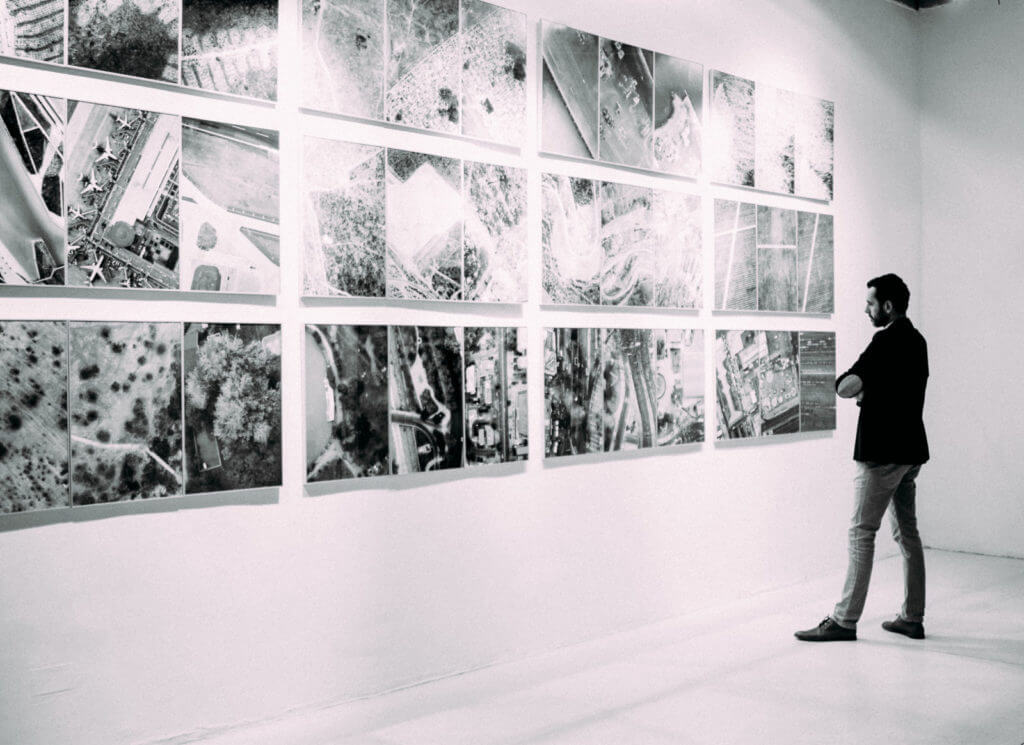
If your art is displayed in a gallery alongside work by other artists, can people identify it? Developing a unique style and is key in becoming a successful artist. You want people to immediately identify your art as yours—there should never be any doubt.
(Need more incentive? Here are 6 more reasons to create a recognizable body of art.)
2. Clarify Your Artistic Voice
It’s often difficult for us, as artists, to talk about our work, yet it’s one of the most important aspects of marketing yourself and your art. You must be able to discuss your subject matter, your techniques, and even the history of art in a completely non-technical way so that others can easily understand what your work is all about.
It’s often a good idea to come up with a simple 10-word sentence that explains who you are and what you do. Mine is “I capture emotions, feelings and memories through fine art photography.”
3. Set Realistic Career-Life Goals
Your vision of the future is only wishful thinking unless you set specific goals to use as a road map for your career. Don’t be afraid to dream large, but set realistic goals step-by-step along the way.
One of the biggest mistakes that people make is trying to do too much, too quickly—so be patient with your progress and make sure to write down every goal you set. Over the next few months or years, mark off which goals you’ve completed. This will give you the strength to continue on.
4. Maintain Your Focus
Without written goals, staying focused is nearly impossible, and even with them it can be difficult to stay on course. There have been many times in my life when my actions were inconsistent, unfocused on art, and unproductive. I’ve learned that it’s only when I return to my written goals that I improve, grow, and further my career.
5. Understand Where Your Work Fits into the Market
Always do your research before submitting your work to museums, galleries, publications, art shows, etc. Make sure your style fits theirs and always follow their submission guidelines to the letter.
6. Master Your Email List
An email list is one of the most important assets for any business—and if you want to be a professional artist, you’ll need to have one as well.
Most successful business people have active email lists that they use (at the very least!) three times a year. Why? Because on the average, people need to see your name seven times before it starts to connect with them.
Keep your email list current and try to know something about every name on the list. If used properly, each name translates into a potential sale.
7. Find Role Models and Mentors
A good mentor might be another artist or businessperson who you admire, or an artist who has succeeded on a level that you yourself are trying to reach. Make a list of advisors who you can talk to about your career. How? Do what I did—just ask.
Professionals are often happy to pass on what they have learned. You can find them through workshops, on the internet, and at local art exhibits. If they see that you have a passion for what you are doing, they may help you. It’s also a good idea to plan some your questions in advance and always be respectful of their time.
8. Network With Your Peers
A wonderful way to network with other artists is to set up a critical discussion group. This group should include artists from several disciplines, such as painters, photographers, sculptures, etc. Use the group as an arena for feedback on your work and your career, as well as to find opportunities to exhibit and sell your work. Galleries are often open to referrals from the artists that they are already representing.
9. Be a Visible Participant in the Art World
I can’t overemphasize the importance of just being out there. Go to every lecture, opening, and art event possible. Don’t be afraid to introduce yourself to dealers, curators, collectors, and critics. Exhibit your own work on a regular basis, and send out press releases several times a year. Don’t be afraid to “saturate” the market. One of the comments I always love to hear is, “I see your work everywhere!”
10. Invest in Your own Career
Treat your art business like any other serious profession. Spend money to get trained in areas you’d like to improve at, and be professional in everything you do, from your business cards to the final presentation of your work.
Above all, be patient. Becoming a professional artist doesn’t happen overnight, but if you incorporate all these tips into your career strategy and work hard at them, you’ll be well on your way to making a living with your art.
For more information on Bruce K. Haley, Jr., or if you’d like to view his photography, please visit his website at www.bkhaleyphotography.com.

This post may contain affiliate links.