
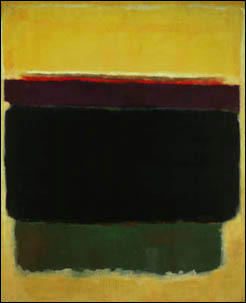
 In the 1940s, a new art movement began in New York that had a profound effect on the art world: Abstract Expressionism.
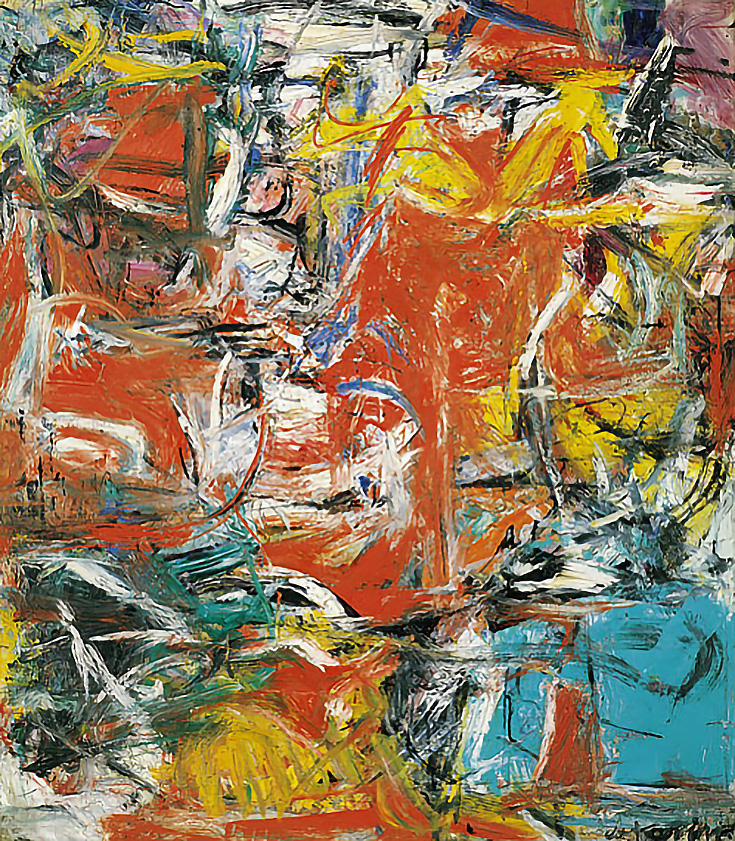
As movements go, Abstract Expressionism is a little tricky to describe because it revolved primarily around the individuality of its leading artists—Jackson Pollock, Willem de Kooning, and Mark Rothko to pick a few—and all of them had different painting styles.
However, if you break down the name itself (Abstract Expressionism) it does a pretty good job of explaining the movement—in general terms anyway.
First of all, the word “Abstract” is appropriate because none of the leading Abstract Expressionists created traditional representational or figurative art. (De Kooning often used figures in his work, but they certainly weren’t representational or realistic.)
And “Expressionism” works well-enough to describe the artist-centric nature of the Abstract Expressionist painters.
What do I mean by artist-centric? Well, for the first time in America, art became more about the artist than the subject matter, or the viewers.
Take Jackson Pollock for example. Known for his drip paintings, Pollock’s widespread appeal today is in how he created his art: walking, almost dancing, across his huge canvases while drizzling and splattering paint to create these rich, abstract paintings.
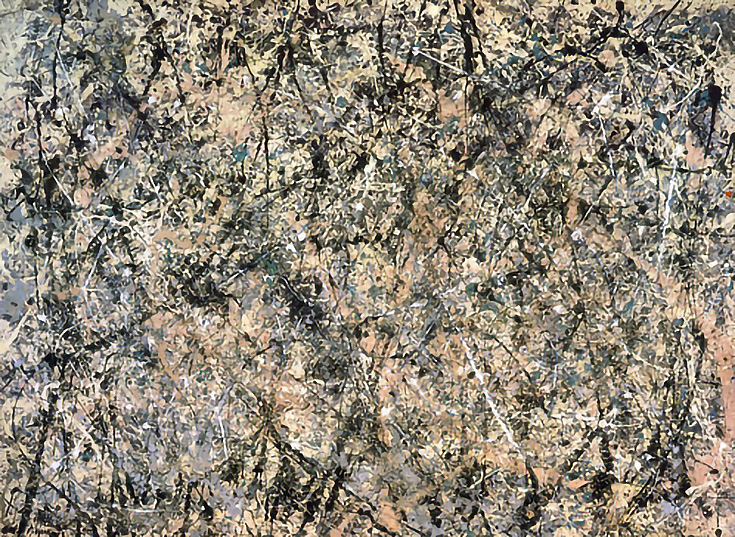
By looking at Pollock’s paintings and thinking about how he made them, it’s easy to imagine a few things about the artist himself. His mood while painting, perhaps, or his intensity as a person.
And just like Pollock, artists everywhere are still trying to express their individuality, their personality, even their feelings or ideas through emotive, non-representational art.
It’s amazing; after more than 60 years Abstract Expressionism is still going strong.

This post may contain affiliate links.