
Do you love impasto-style painting techniques and want to find some new textural ideas for your next artistic creation? Then you’re in luck—because here are eight easy methods for adding texture into your work:
1. Sand and Grit
You can find painting mediums with sand or silica added to them, or you can add sand directly so you have more control over the grittiness. Just remember, if you’ve collected your own sand, you may need to sift it first unless you want the natural grungy look.
You can also purchase brightly colored sand for an extra pop of color that natural sand doesn’t have.
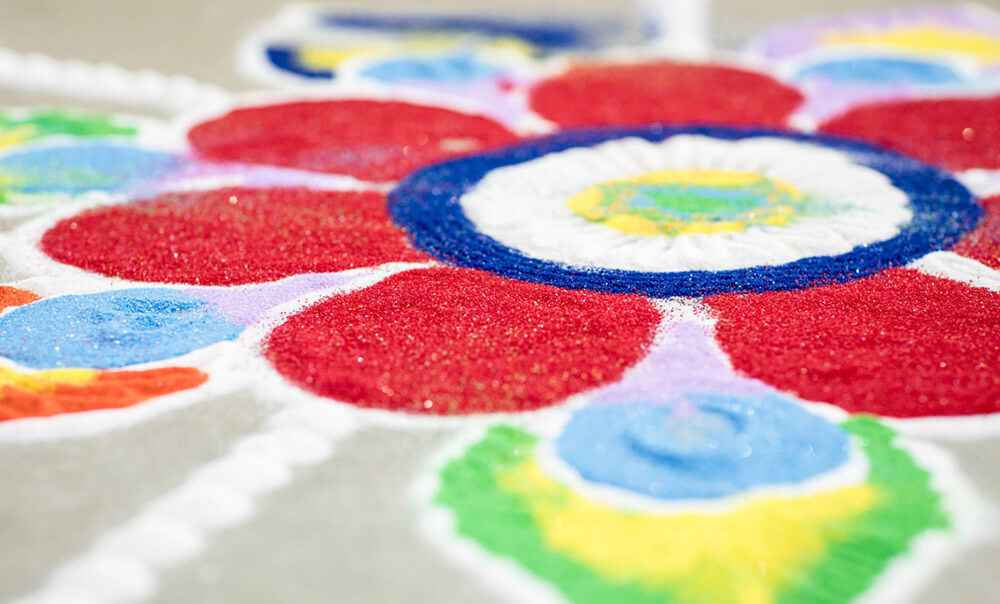
Use sand or grit for texture in landscapes (like sand/soil, tree bark) or to juxtapose with flat colors in abstracts and pattern work.
2. Poured Texture
Some artists are quite adept at adding color to a thick acrylic gel medium and pouring fantastic ethereal designs. I’ll often use an entire bottle of color with medium to make it thick but still pourable, and then create raised designs, lines and swirls, or even writing.
Of course, you can also pour the medium by itself first, and then paint over it after it’s dry. Just remember, the thicker the medium, the more time it will take to dry.
3. Combing
Use a variety of comb sizes and tooth openings. Combs can be used with inks, paint or other media. They can be used to create the linear patterns found in nature, to make patterns of hair or cloth, or to create abstract dotting, swirls and lines.
4. Stamping
You don’t have to buy stamps from stores. . . I try to find interesting old pins, large button, fabric, rocks, shells, etc. Look around your home with an eye for pattern and see what you can find that you could use to “stamp” something.
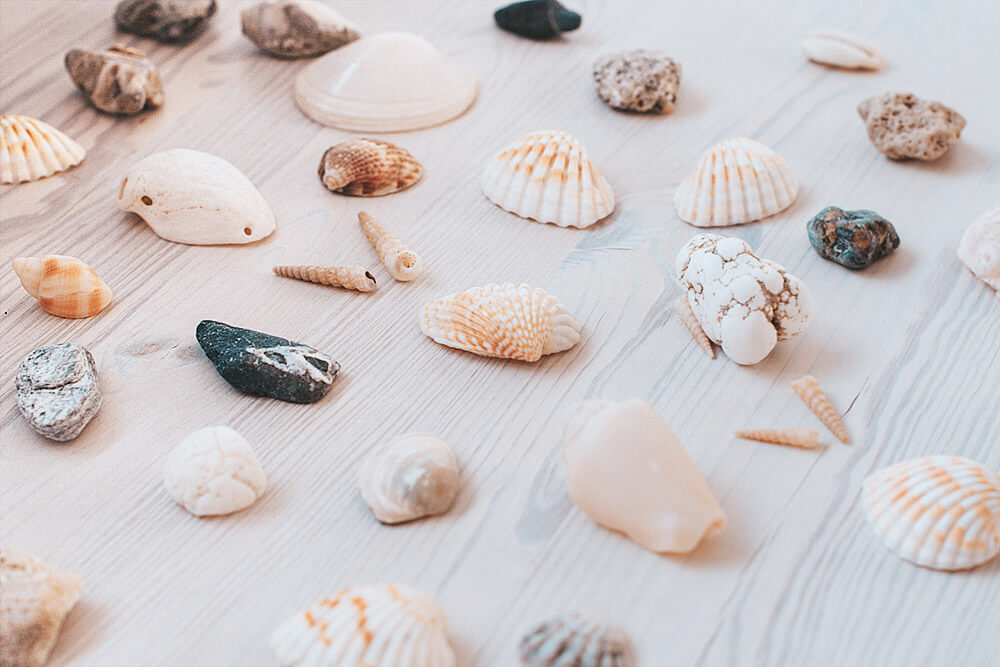
Use with color only, or medium, then stamp once, multiple times in a pattern, or organically. The thicker your medium, the more color your stamp will tend to pull up, leaving a jagged texture behind.
5. Stenciling
Again, you don’t need to buy expensive stencils. Make your own stencils by using thicker stencil paper, cardboard or plastic materials. Use your imagination, or create a stencil from a design you’ve found by lightly drawing it, and then carefully cutting it out using an Exacto knife.
Remember to keep the extra pieces you cut out—you may find use for them later.
6. Cutting and Carving
Depending on what kind of medium you use, you can often carve interesting shapes and patterns into it while it’s still wet. If you use a plain spackling paste, you can carve into it once dry.
Carving works best before painting color on top, so that you get a complete shadow and highlight effect. If you carve out layers after your paint or glaze has dried, you’ll remove some color.
7. Sanding
One artist whose work I absolutely love uses sanding.
When a textured layer of medium is dry, sand it down a bit to knock off the hard edges prior to adding paint. You can also use sanding to remove color. Just remember to wear a mask if sanding gets too vigorous.
8. Cloth and Paper
Put down some medium, and then press cheesecloth or tissue paper into it. Bunch the cloth, a lot or a little, to leave varying amounts of texture behind.

You can also try placing cheesecloth in gesso first, to create folds that will dry hard. Later on you can add them to the canvas with more medium. Since it’s cheesecloth, color may show through some of the folds.
Finish it all off by adding glaze or paint over the top of fabric. If you find the texture disappearing too much, gently blot some of the color away to bring the texture back.
For more articles by Gail, please visit abstractedperceptions.blogspot.com.

This post may contain affiliate links.