
OK, I’ll admit it. I have a short attention span.
As a result, I’ve had to come up with ways to minimize distractions and help me focus while I paint. I thought they might be of interest to others as well, so without further ado. . .
1. Schedule creativity.
 When you’re planning your day, include time for your art. Set a starting time and a stopping time, and follow through with it. You also know what time of day you work best, so use that to your advantage. When that time rolls around, stick with your schedule. There should be nothing else going on to distract you.
2. Prepare yourself mentally.
Like an athlete before a game, you need to prepare your mind for the coming task. Whether it’s painting, sculpting, or drawing, any creative pursuit requires a creative mindset. I’ve found that it takes me about 15 minutes to feel “in-tune” with my art, so instead of jumping right in, I spend a few minutes visualizing what I’m going to do and THEN pick up my brush. Just taking ten minutes to think about the project, review your ideas, and get back into the creative flow will greatly increase your focus.
3. Avoid responsibility.
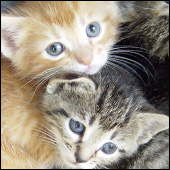 If you have kids, pets, or other living organisms depending upon you, hand them off to someone else. You wouldn’t ask a surgeon to baby-sit during brain surgery, would you? Of course not. An art studio can be just as demanding as an operating room, and when you’re in there your only responsibility should be to create.
4. Dress for success.
My paint clothes are like my security blanket. When I put on my painting jeans and an old t-shirt, I have absolutely no fear. The part of my mind that would normally worry about getting paint on my clothes just turns off. In fact, when I’m really in the zone, I use my shirt and jeans to quickly clean off my brushes. It’s messy, but it works great.
5. Cut the phone line.
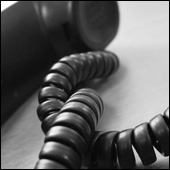 At least turn the ringer off, and don’t forget your cell phone too. If you can’t bring yourself to follow through with these drastic measures, assign someone else in the house the task of answering the phone and taking a message. Nothing kills an artistic mood like a telemarketer, so don’t even give them a chance!
6. Eat, drink, and well. . . you know.
Don’t go into your painting session hungry, thirsty, or needing to use a bathroom. Handle those first, and your creativity will know no bounds. If you must, keep a bottle of water with you, but don’t get mixed up and take a swig of turpentine by mistake. For long sessions, take breaks on a regular basis so you don’t wear yourself out sooner than you have to.
7. Neutralize your environment.
Empty the room of distractions – whatever that might be. Close blinds if you must, get rid of the Rubik’s cube, or turn off the nearest computer. There should be nothing within reach that would tempt you away from your art.
8. Hear no evil.
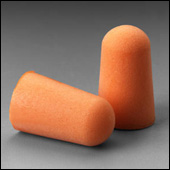 My favorite tool to fight distraction is a few good ear plugs, simple as that may be. Many artists use headphones and play music, but I prefer complete silence when I paint. Use whichever one you prefer, either one is a life saver. They make the world a quiet, respectful place, perfect for the artist at work.
9. Stock up on supplies.
You never want to run out of something you need halfway through a project. The day before, make sure you have all of your supplies at hand. The last thing you want is to have to go to the store in the middle of everything.
10. Quit while you’re ahead.
It’s important to know when to stop. If you reach a good point in your painting, and you‘ve spent a solid amount of time already, end it right there. The next time you sit down to paint you won’t have any negative vibes floating around, and you’ll be ready to dive right in.
Good luck!

This post may contain affiliate links.